Guides
Many appearance-improvement topics are locked behind paid courses and influencer content. We make that knowledge freely accessible, with evidence-based guides that separate useful information from hype.
Start Here

The No-Fluff Starter Guide to Improving Your Appearance
A realistic, no-nonsense overview of how to improve your appearance — the right order to tackle things, what actually matters most, and where to go deeper. Body first, then face, then style and recovery.
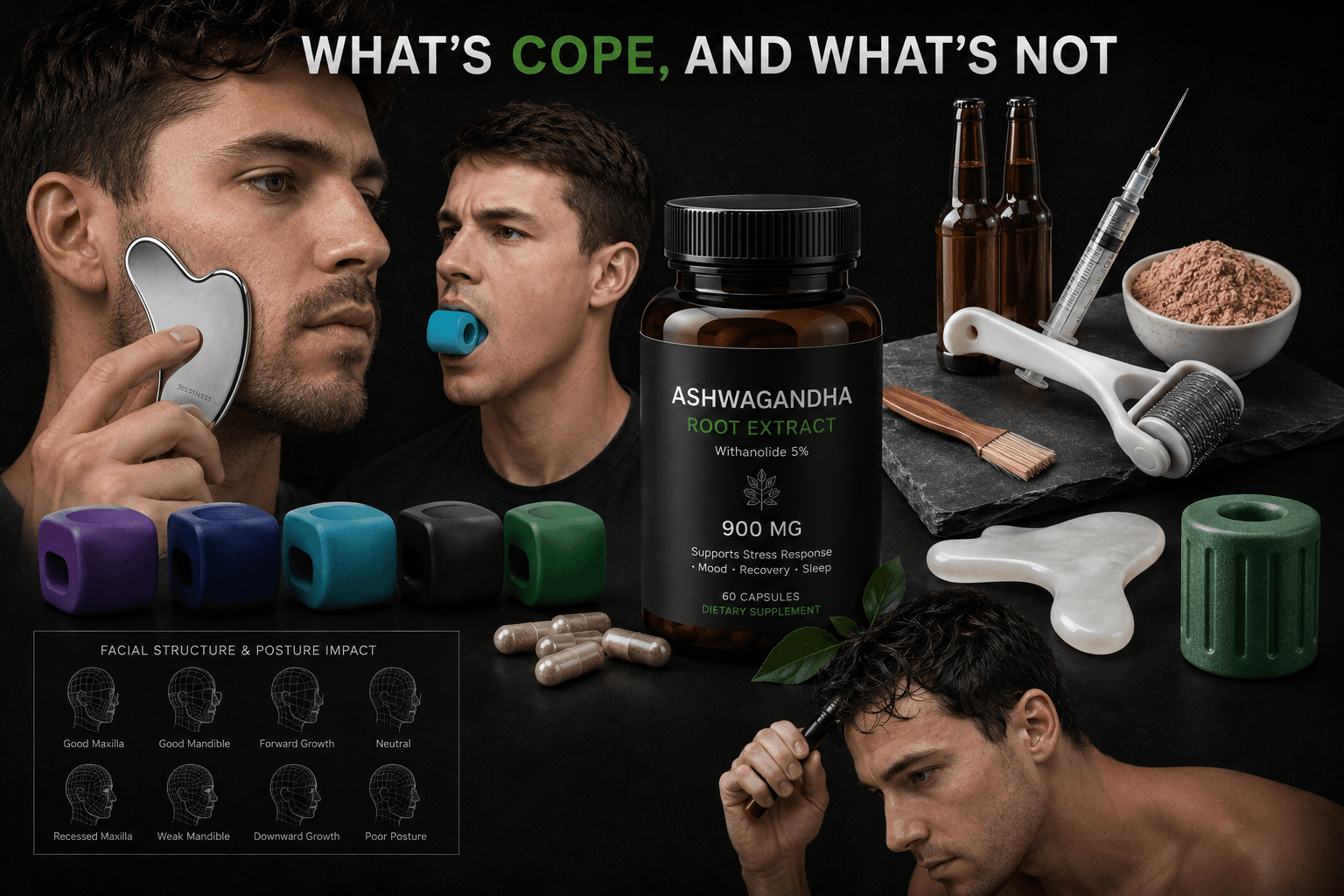
Cope or Not: What You Can Actually Change
A realistic breakdown of what common looksmaxxing strategies can actually change, what they cannot, and how meaningful the results are likely to be.
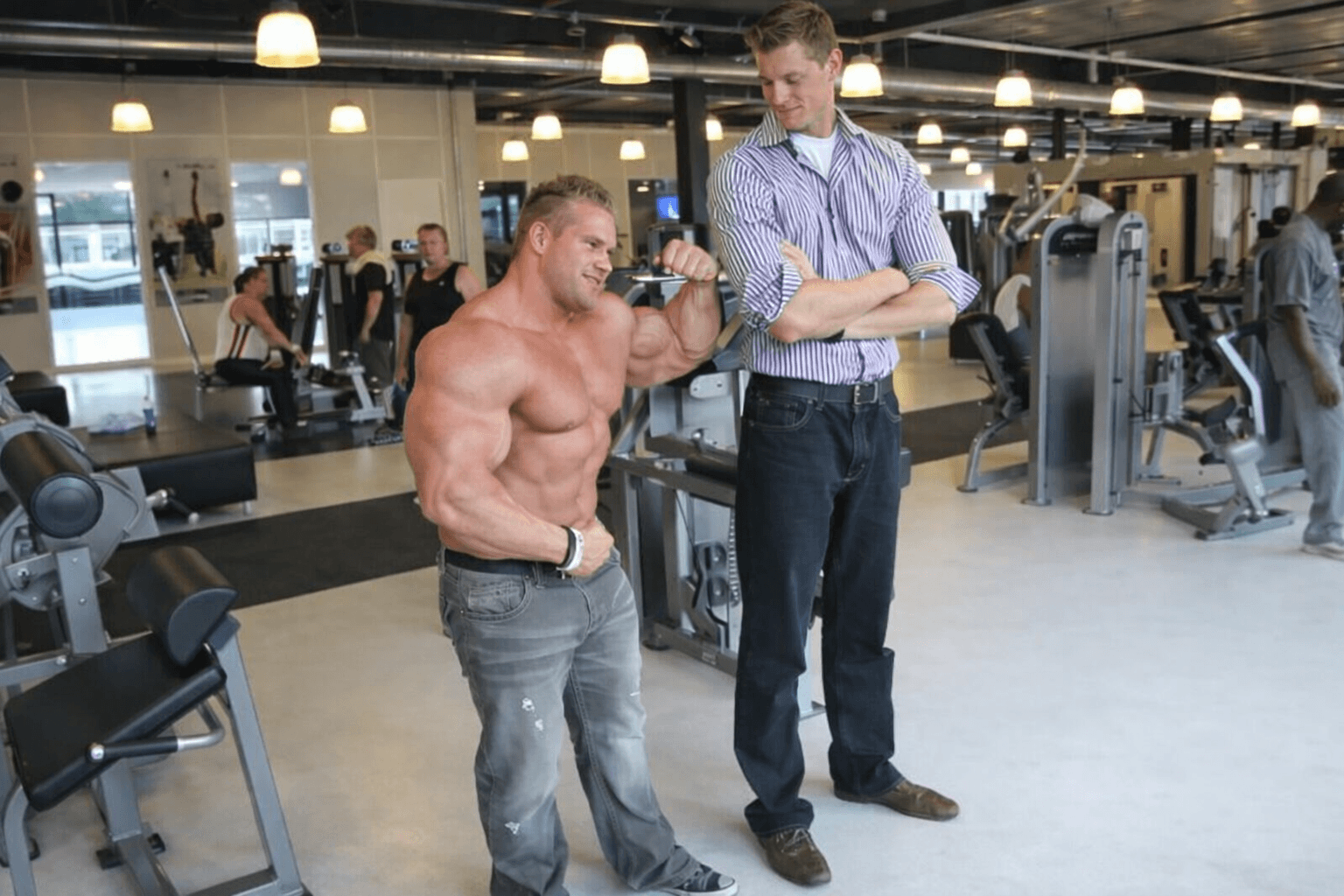
Height and Attraction: What the Research Actually Shows
Height genuinely affects social and romantic perception — but the evidence is more nuanced than "taller is always better." What's well supported, what's exaggerated online, and what actually helps if you can't change your height.
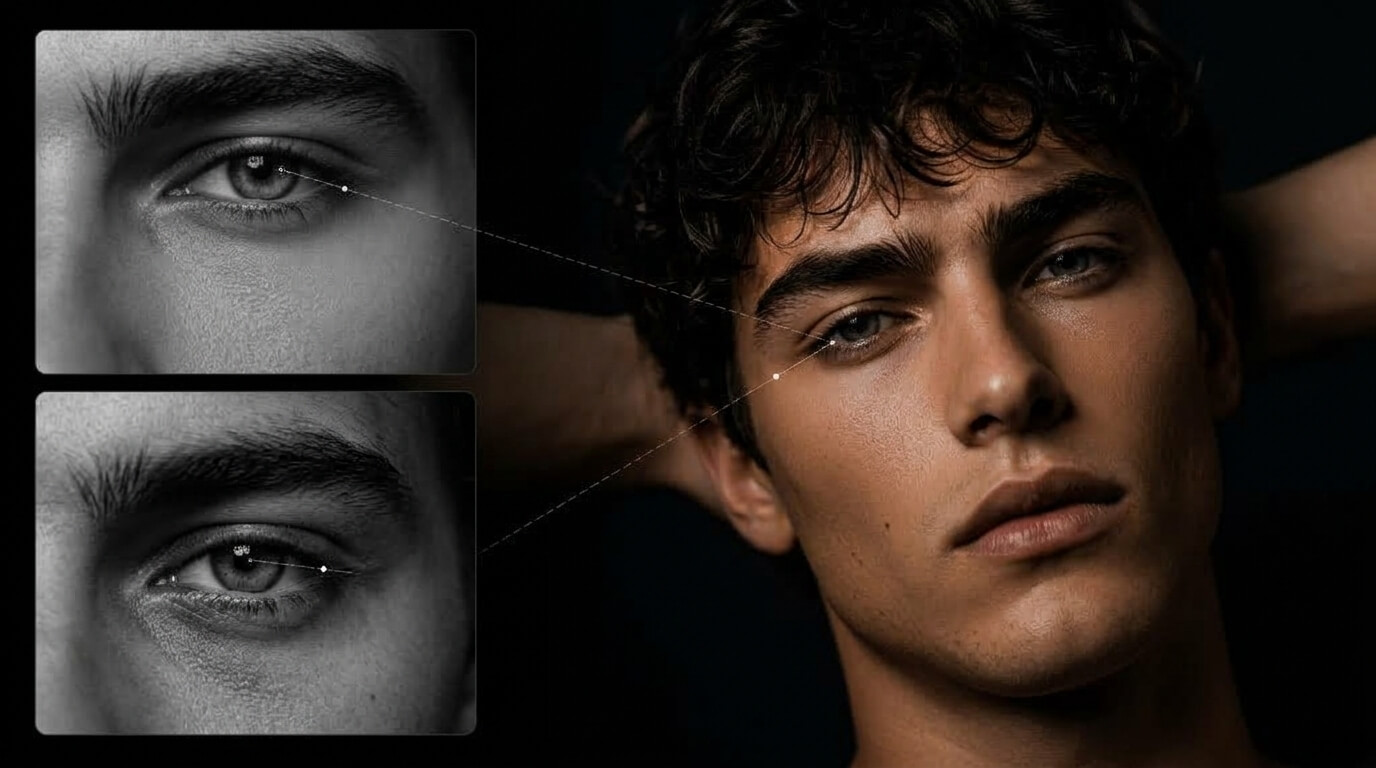
Sleep and Your Appearance: What a Night's Rest Actually Changes (and What It Doesn't)
Sleep affects how you look on two very different timescales — the temporary next-morning stuff (tired face, under-eye shadows, puffiness) and the slow, cumulative stuff (skin quality, hormones, body composition on a diet). What the evidence supports for each, how much sleep you actually need, and a practical way to sleep better.
Sharpen Your Face

Facial Structure & Harmony: How the Bones of Your Face Actually Work
A complete, evidence-aware guide to male facial structure — the facial thirds, jaw and chin, cheekbones and midface, brow and eye area, and what the research does and doesn't support about which features drive attractiveness.
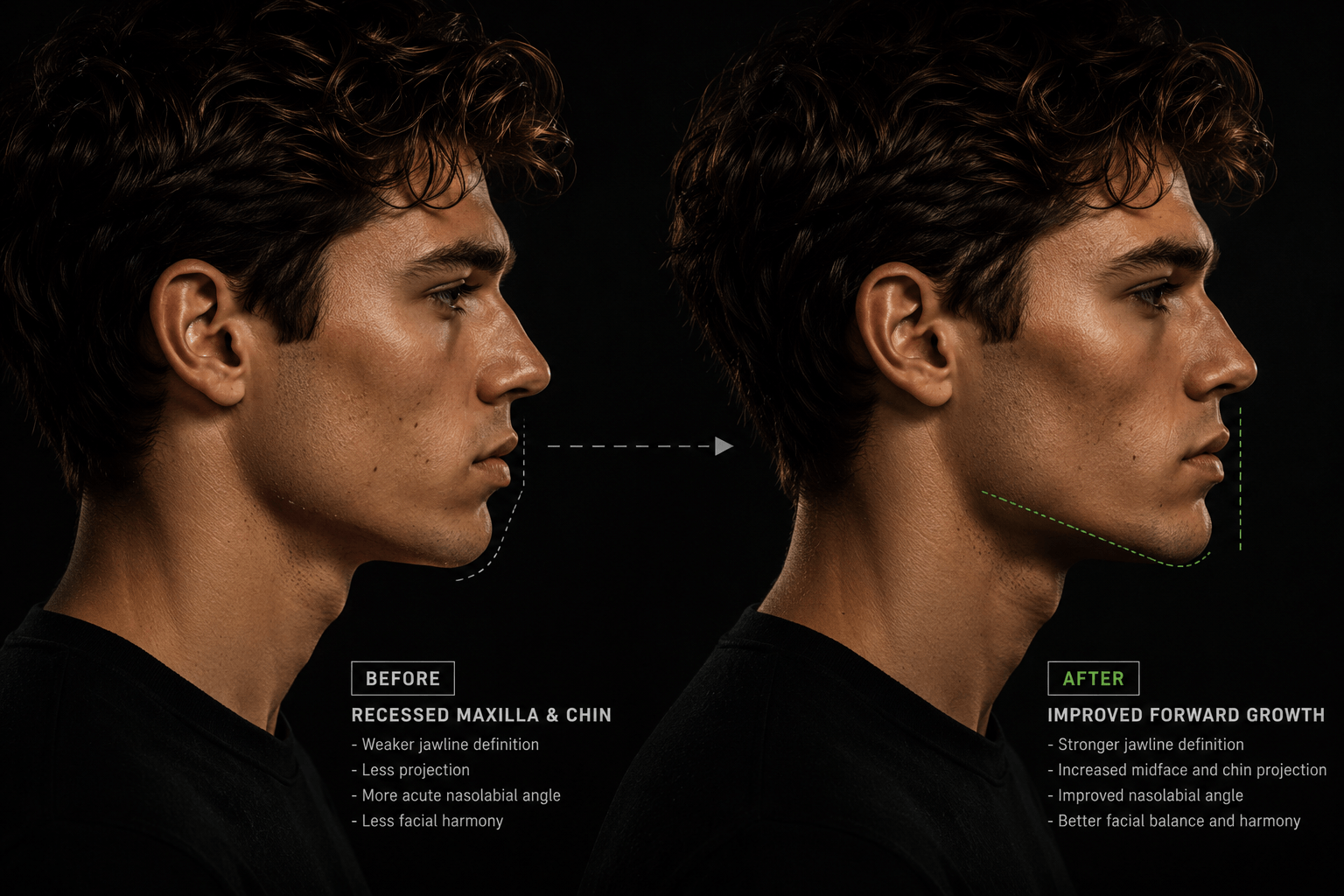
Mewing, Chewing & Forward Facial Growth — What the Evidence Actually Says
An honest, evidence-based look at tongue posture (mewing), jaw training, and forward facial growth — what they can and cannot do for your jawline at different ages.
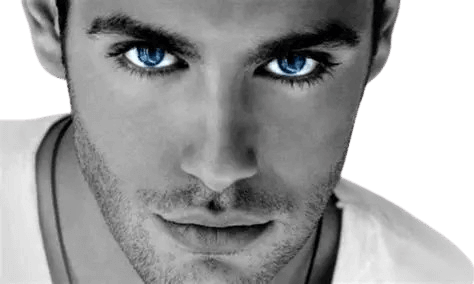
Improving Your Eye Area: What Actually Works (and What Doesn't)
Practical, honest ways to improve how your eyes present — sleep and skin quality, framing with brows and contrast, and grooming — plus a clear-eyed look at which popular "eye area" techniques have no real evidence.

Hollow Cheeks and the Ogee Curve: What Actually Creates Them
What determines cheek hollowing and the 'ogee curve' — bone structure, the buccal fat pad, body fat, and age — what you can realistically influence without surgery, and an honest look at the cosmetic procedures, including why buccal fat removal can backfire.
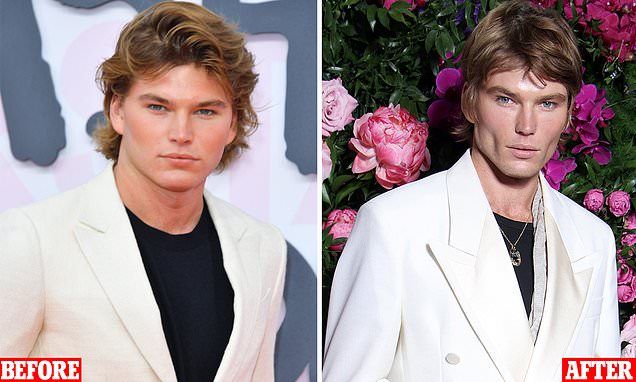
Debloating Your Face: What Causes Puffiness and How to Reduce It
Facial puffiness is mostly short-term fluid retention driven by sodium, alcohol, and poor sleep — and it's one of the faster things to improve. What actually causes it, what helps, and how to tell everyday bloat from something that needs a doctor.

Teeth and Your Smile: What Actually Improves It (and What's Overhyped)
A smile is one of the highest-impact facial features, but the advice around it is full of hype. What the evidence supports for whitening and straightening, what to skip (charcoal, blinding-white obsession), the honest trade-offs of veneers and crowns, and why healthy beats white.
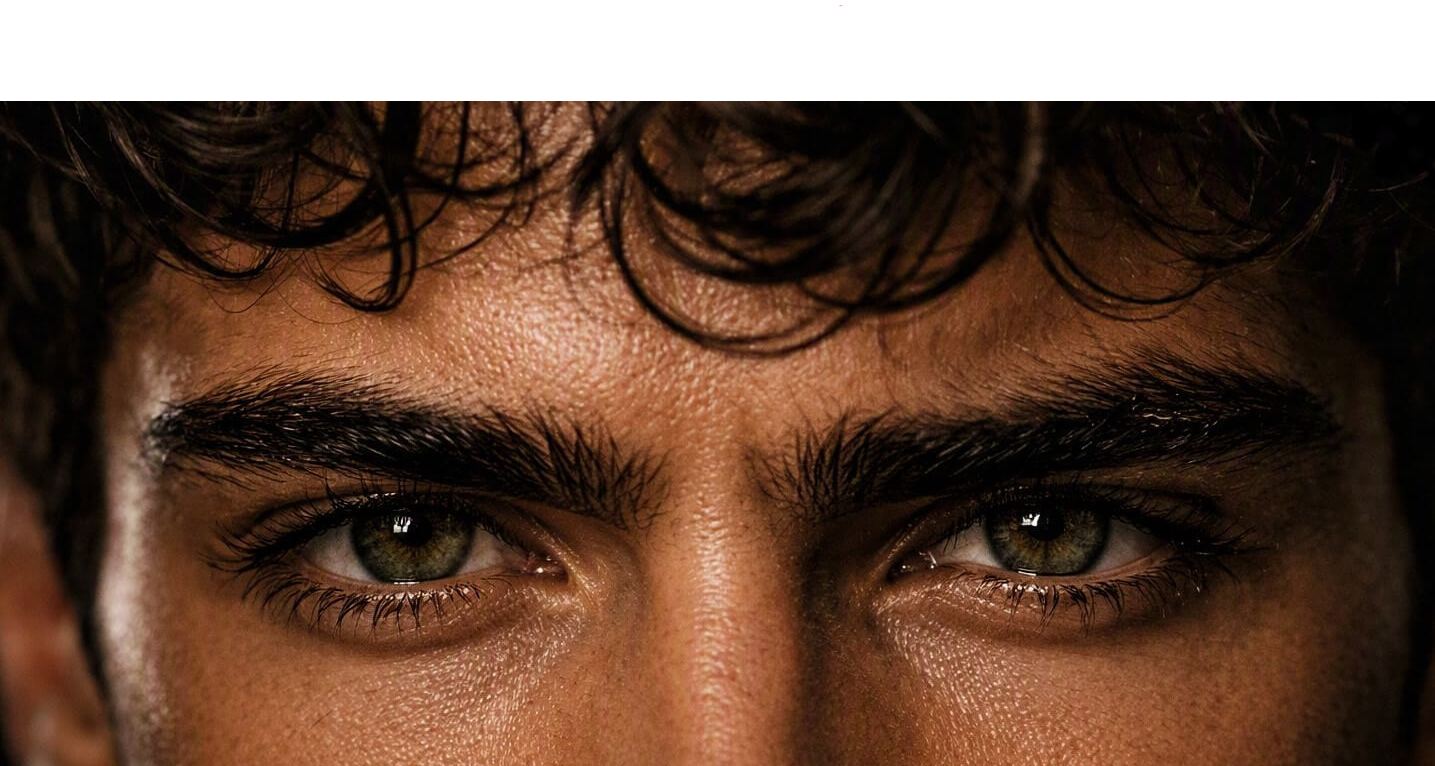
Lashes and Brows: What Grows Them, What Frames the Face, and What's Just Marketing
Brows and lashes frame the eyes and carry more weight in how a face reads than most people realize. What the evidence says about growing sparse brows and lashes (including the one prescription option that actually works), the real trade-offs of serums, tints, lamination, extensions and microblading, and why not over-plucking beats almost everything.
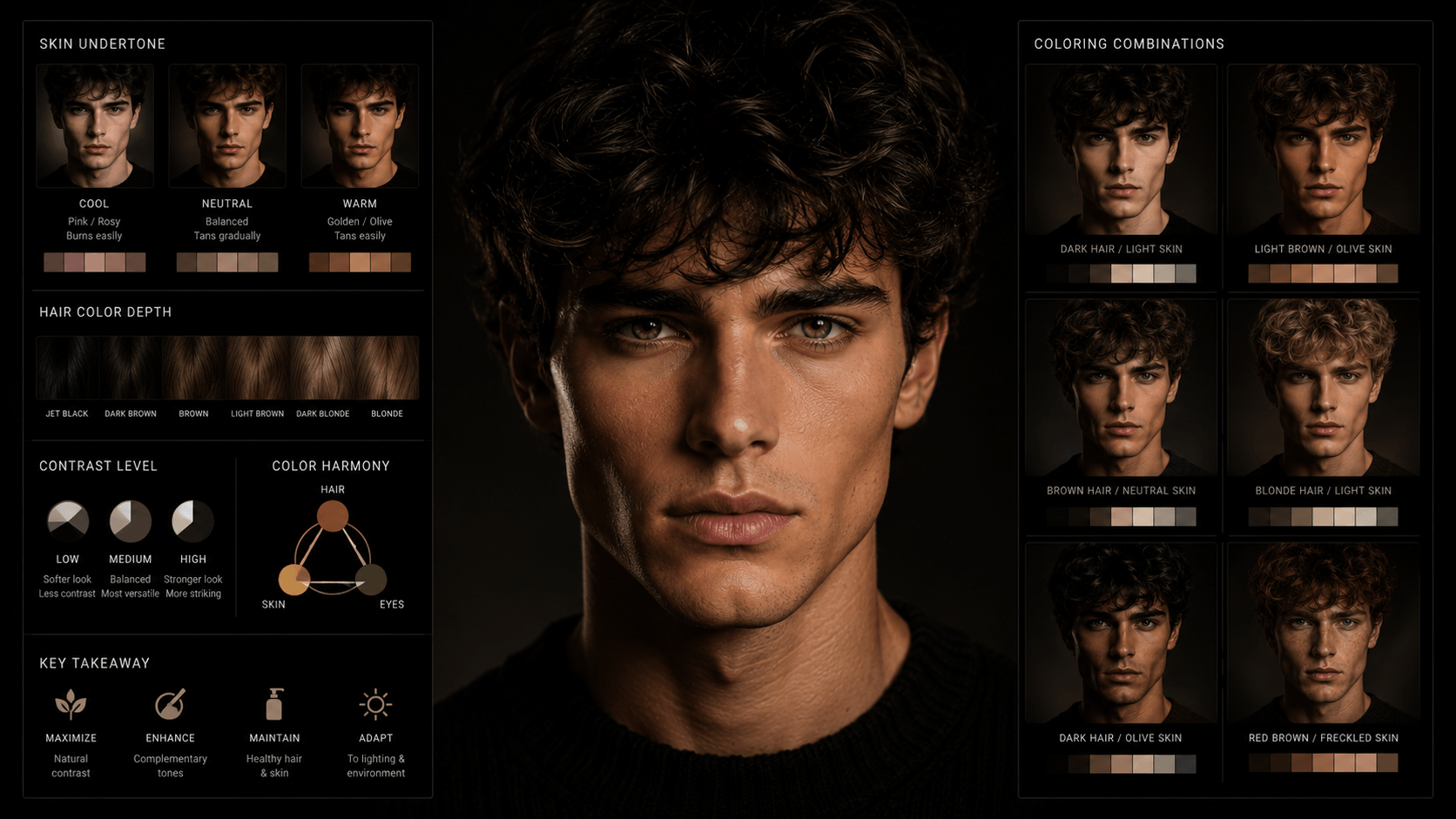
Facial Coloring and Contrast: How Skin, Hair, and Eye Color Shape How a Face Reads
Coloring — the combination of your skin, hair, brow, and eye color and the contrast between them — affects how a face is perceived, independently of its structure. What the research actually shows (including the carotenoid "golden skin" effect), how to work with contrast, and how to improve your coloring safely without chasing a single "ideal" color.
Clear Your Skin
A Science-Based Skincare Routine (That Isn't Complicated)
The short list of skincare steps and ingredients that actually have evidence behind them — cleanser, a retinoid, moisturizer, and daily sunscreen — plus what's worth adding and what to skip.
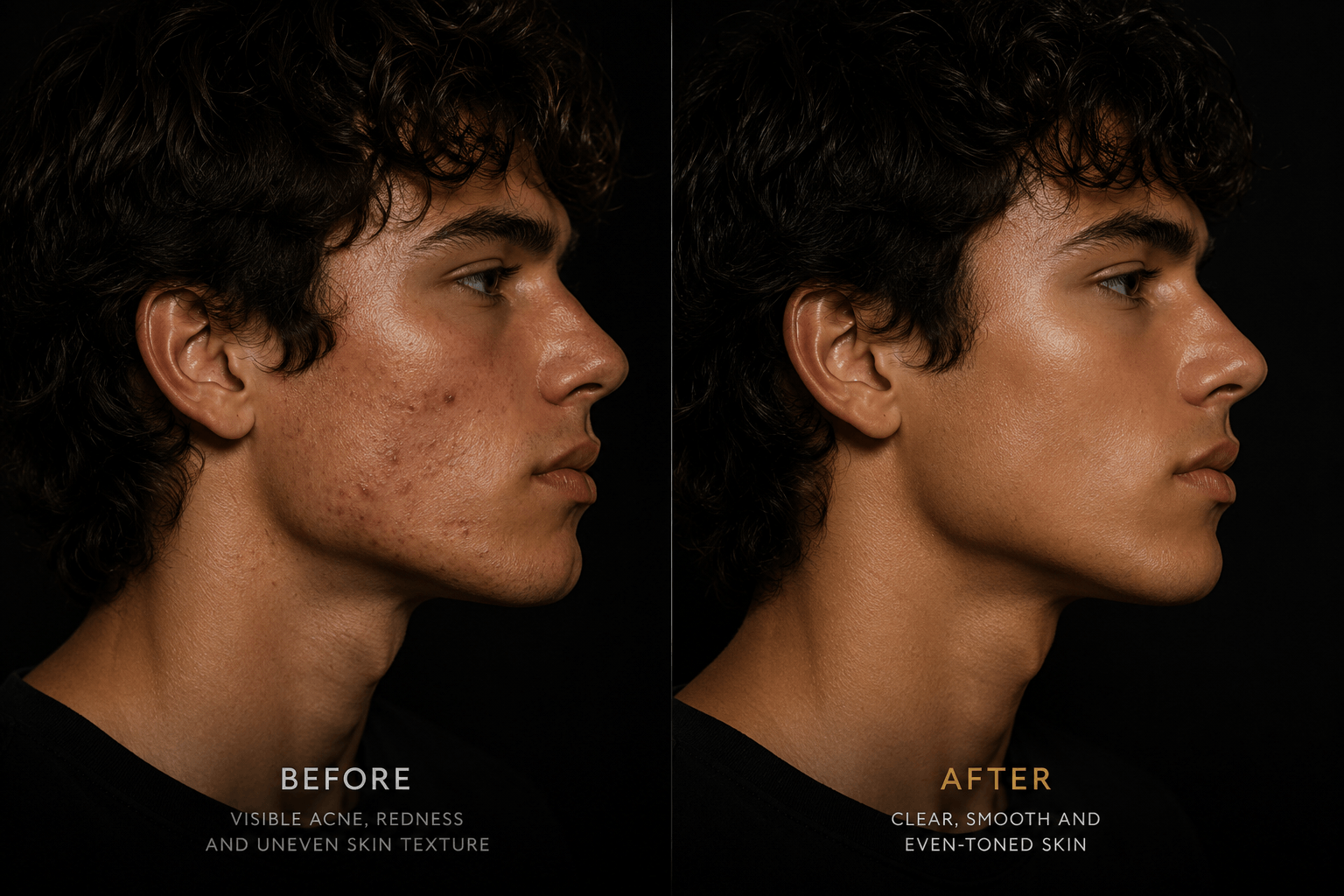
Acne Fixes That Actually Work
A comprehensive guide to understanding and treating acne safely. Covers proven ingredients, prescription options, and lifestyle changes that deliver clear, healthy skin.
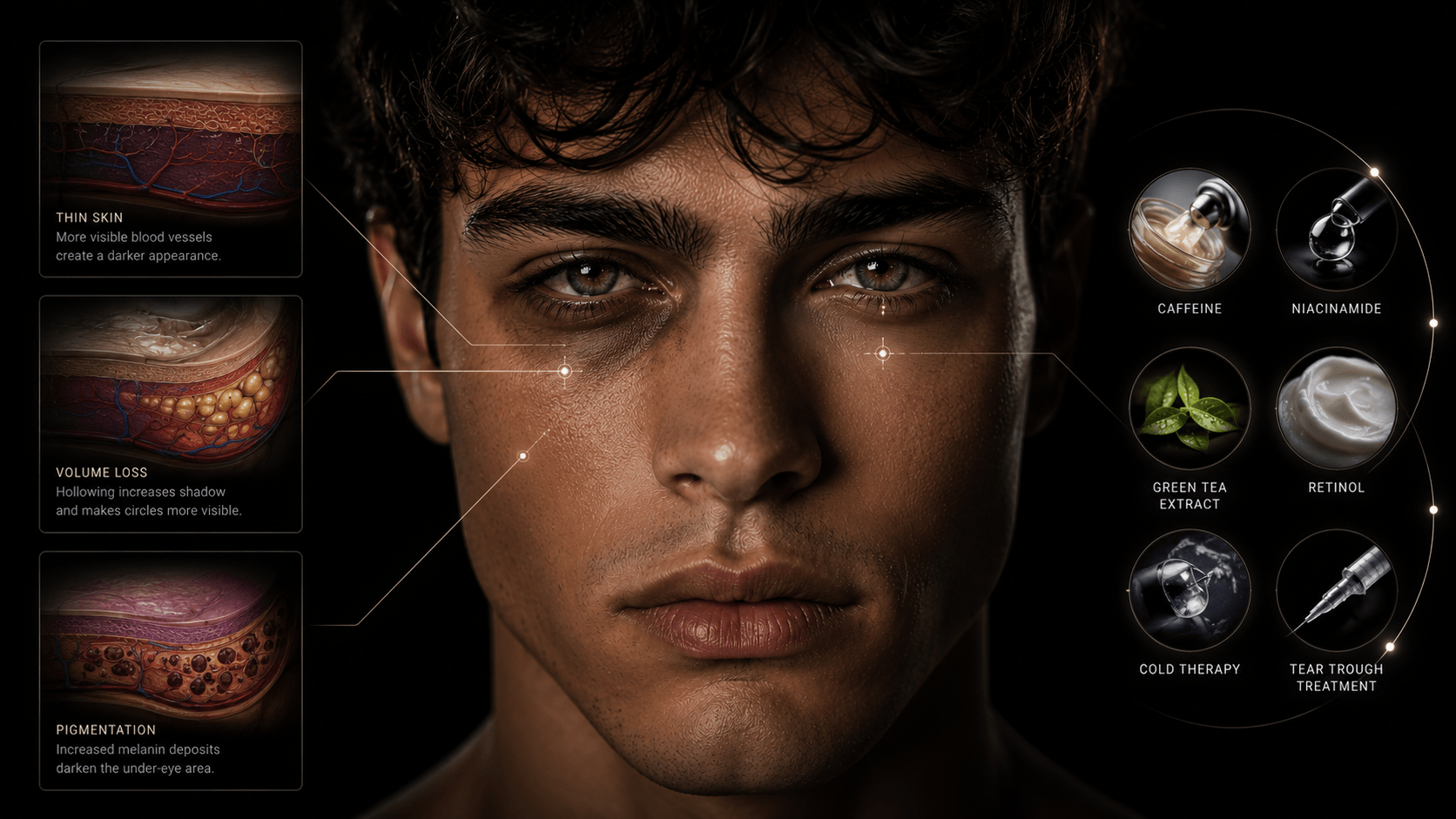
Dark Circles: How to Identify the Cause and What Actually Helps
Dark circles come from four different mechanisms — vascular, pigmentary, structural, and skin thinning — and the right fix depends entirely on which one you have. How to tell them apart and what the evidence supports for each.

Sun Protection: The Highest-Leverage Step for Preventing Skin Aging and Uneven Tone
Most visible facial aging comes from the sun, not the calendar — and UV is also what drives sun spots, uneven tone, and hyperpigmentation. Trying to even or brighten your skin without sun protection backfires. Why sunscreen out-performs every serum, why men especially skip it, and how to actually protect your skin.

Lip Care: Why Lips Matter, Why They Chap, and What Actually Helps
Lips are a feature most men ignore — and chapped, flaky, cracked lips are a visible, easily-fixed negative. But the useful goal for men isn't fuller lips (the research actually favors thinner male lips); it's healthy, smooth, well-colored ones. Why lips dry out so fast, the sun risk men overlook, and a simple care routine that works.
Save Your Hairline
Hair: Loss, Regrowth, and Density — The Complete Evidence-Based Guide
How hair grows and why it's lost, how to read the Norwood scale, what the evidence says about minoxidil, finasteride and other treatments, and how to maximize the visual density of the hair you have.
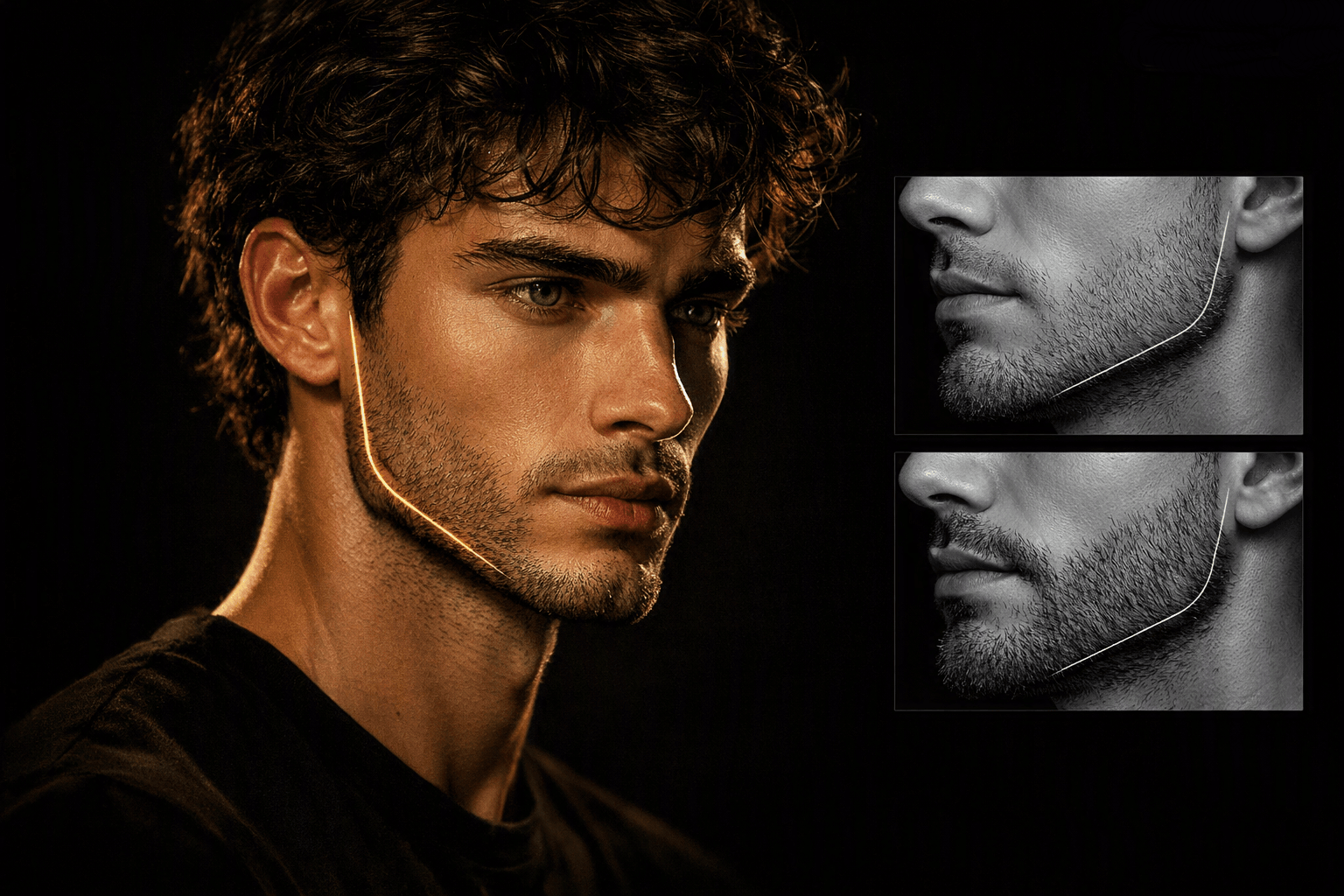
Facial Hair and Beard Grooming: Growing, Shaping, and What Actually Works
Two different questions get tangled together — "can I grow a fuller beard?" (mostly genetics, with limited real options) and "how do I make what I have look good?" (grooming and shaping, where most of the wins actually are). What the evidence supports for growth, why shaving doesn't thicken hair, and the practical grooming that does the heavy lifting.
Build Your Frame
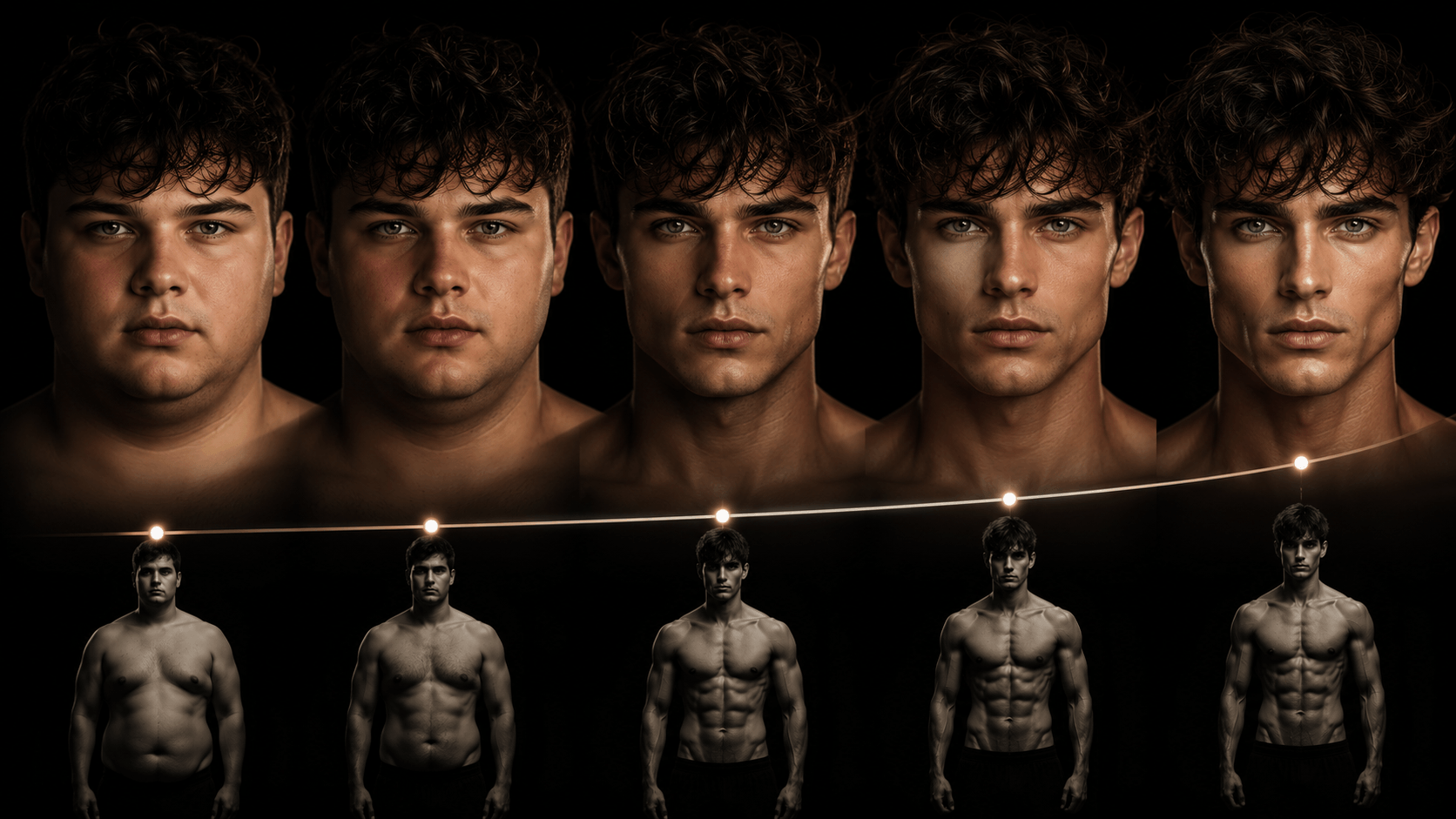
Body Fat and Facial Definition: What Leanness Does to Your Face
Why body-fat level is the biggest changeable factor in facial definition, what the research shows about reading weight and health from a face, why facial fat loss varies between people, and the point where getting leaner stops helping your face.
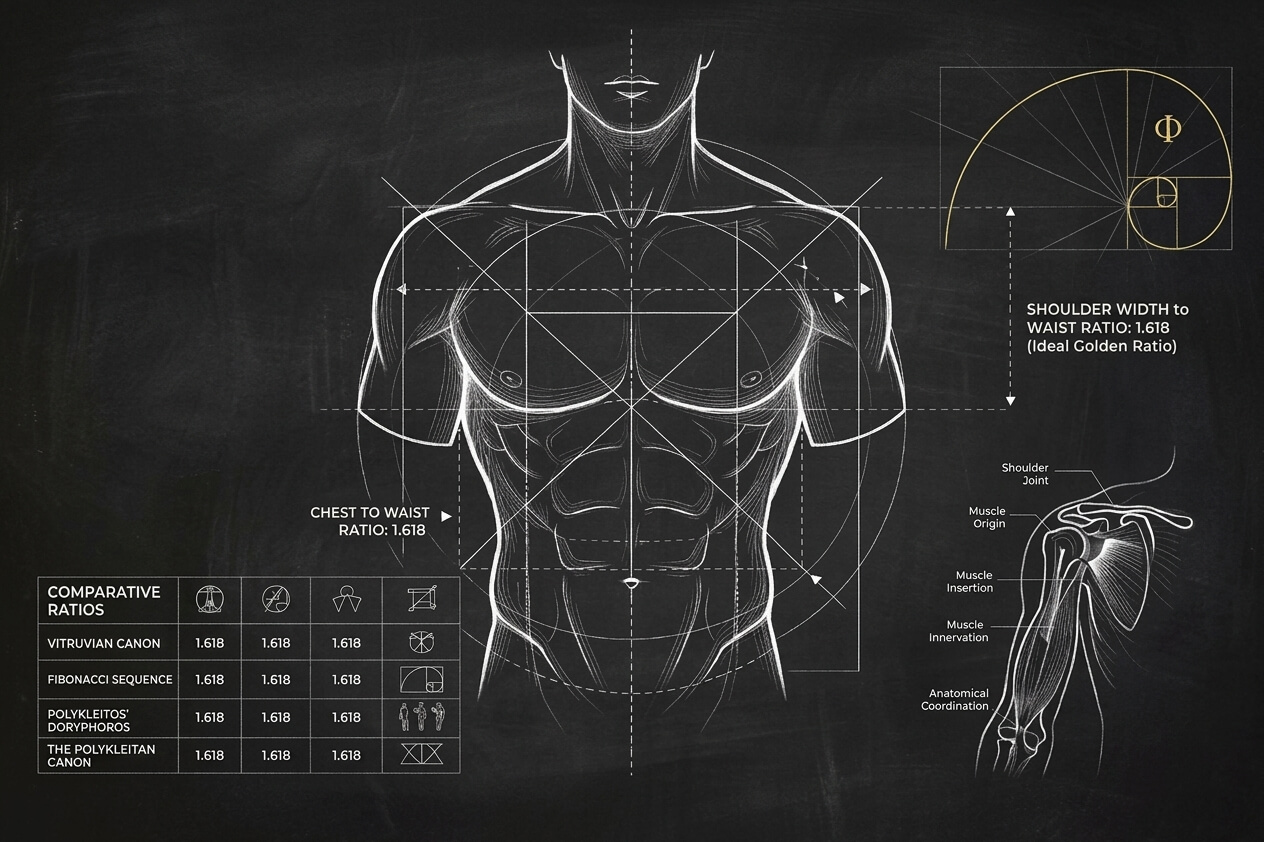
The Aesthetic Male Physique: Frame, Proportions, and How to Train for Them
How skeletal frame, the shoulder-to-waist ratio, and body fat combine to create an aesthetic male physique — what the research supports about which proportions read as attractive, and how to train toward them regardless of your genetics.
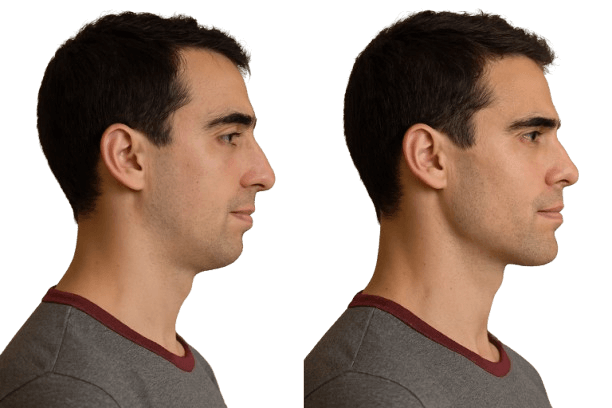
Posture: How It Changes Your Appearance (and How to Fix It)
How forward head posture ages you and flattens your jawline, how to measure your own posture, and a training routine to fix it. The fastest appearance win available.

Neck Training: How to Build a Defined, Youthful Neck
Why neck definition depends on body fat, posture, and muscle — plus a safe training routine, realistic timelines, and the skin care most people forget.

Body Recomposition: How to Lose Fat and Build Muscle at the Same Time (Realistically)
Losing fat while building muscle is real, but it's slower and more limited than the internet suggests — and easiest for beginners, returning lifters, and people carrying more fat. What actually drives it (progressive training and enough protein), how to set it up without crash dieting, why the scale misleads you, and when a bulk/cut cycle is the smarter choice.

Training for an Aesthetic Physique: The Best Splits and Routines (PPL, Bro Split, Upper/Lower & More)
Which muscles actually build the aesthetic V-taper look, the evidence-based training principles that make any program work, and complete ready-to-run routines for the most popular splits — full body, upper/lower, push-pull-legs, PPL+upper/lower, the bro split, and the Arnold split — each biased toward the aesthetic muscles.
Understanding Hormones and Appearance
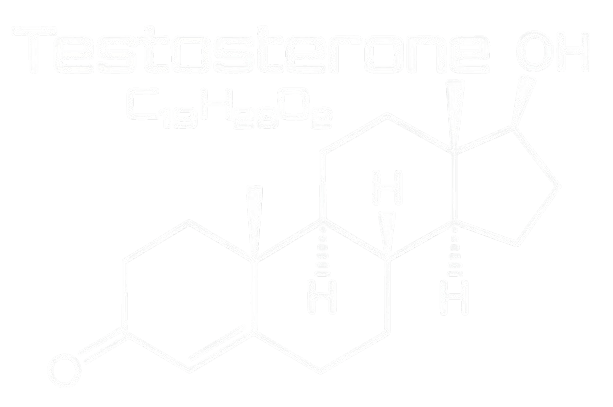
Hormones & Aesthetics: What Actually Affects Testosterone, Estrogen, Cortisol and Insulin
An honest, evidence-based overview of how the hormones that influence male body composition and facial definition really work — what lifestyle can and can't do, and why most "hormone-boosting" advice online is overstated.

Alcohol, Hormones & Your Looks: What the Research Actually Shows
How alcohol affects testosterone, cortisol, sleep, body composition, and facial appearance — with the nuance most articles skip, plus a practical harm-reduction strategy.
Own Your Presence
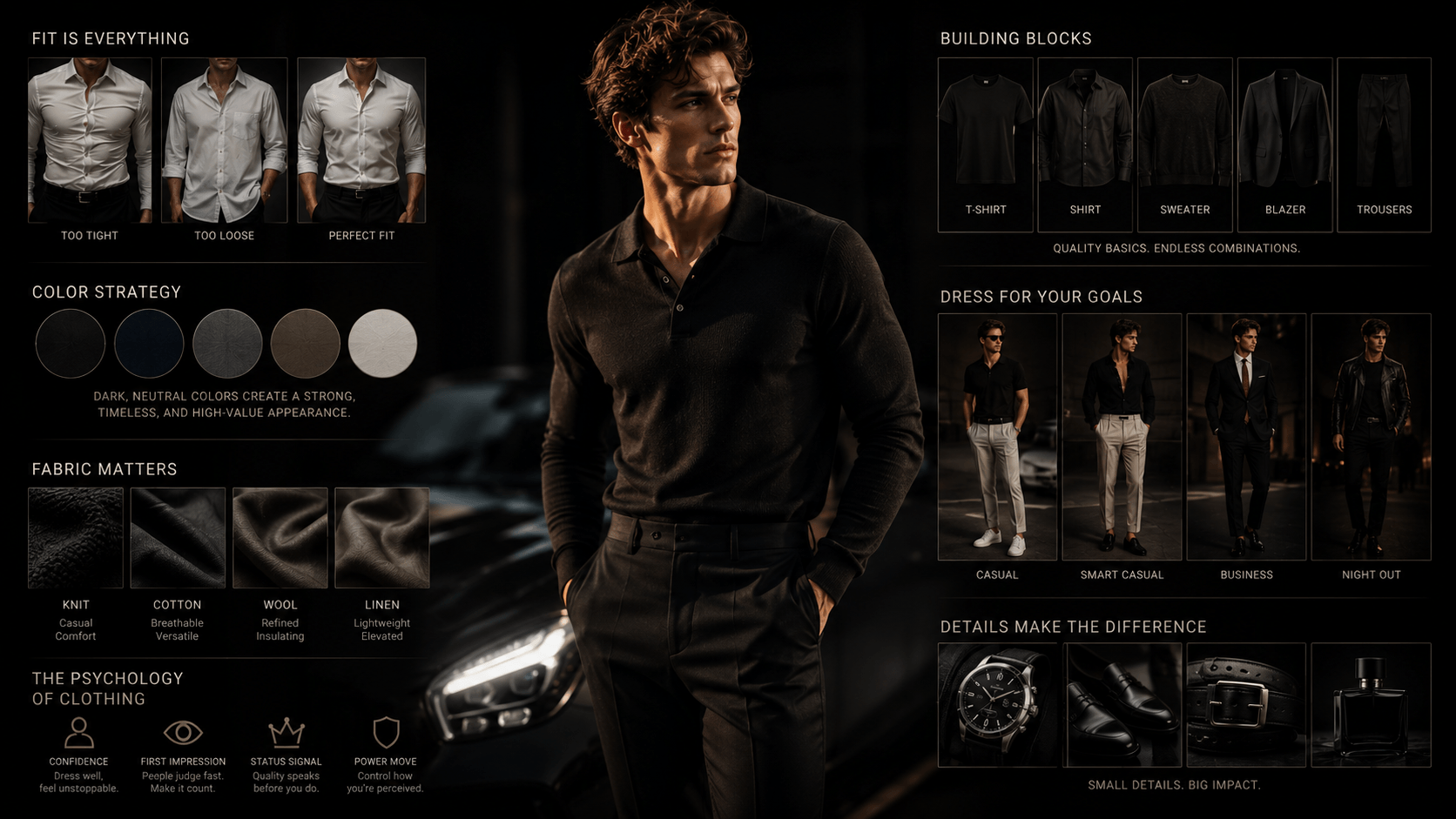
Style & Visual Optimization: Fit, Color, and Presentation That Actually Work
A practical guide to dressing well as a man — why fit beats everything, how to build a small versatile wardrobe, how to use color and contrast for your coloring, and the honest, ethical version of styling and photo "optimization."

Status Maxxing: How to Raise Your Perceived Social Value
An evidence-informed guide to social status — the durable foundations and the signals that shape how others rank you, without hollow flexing.
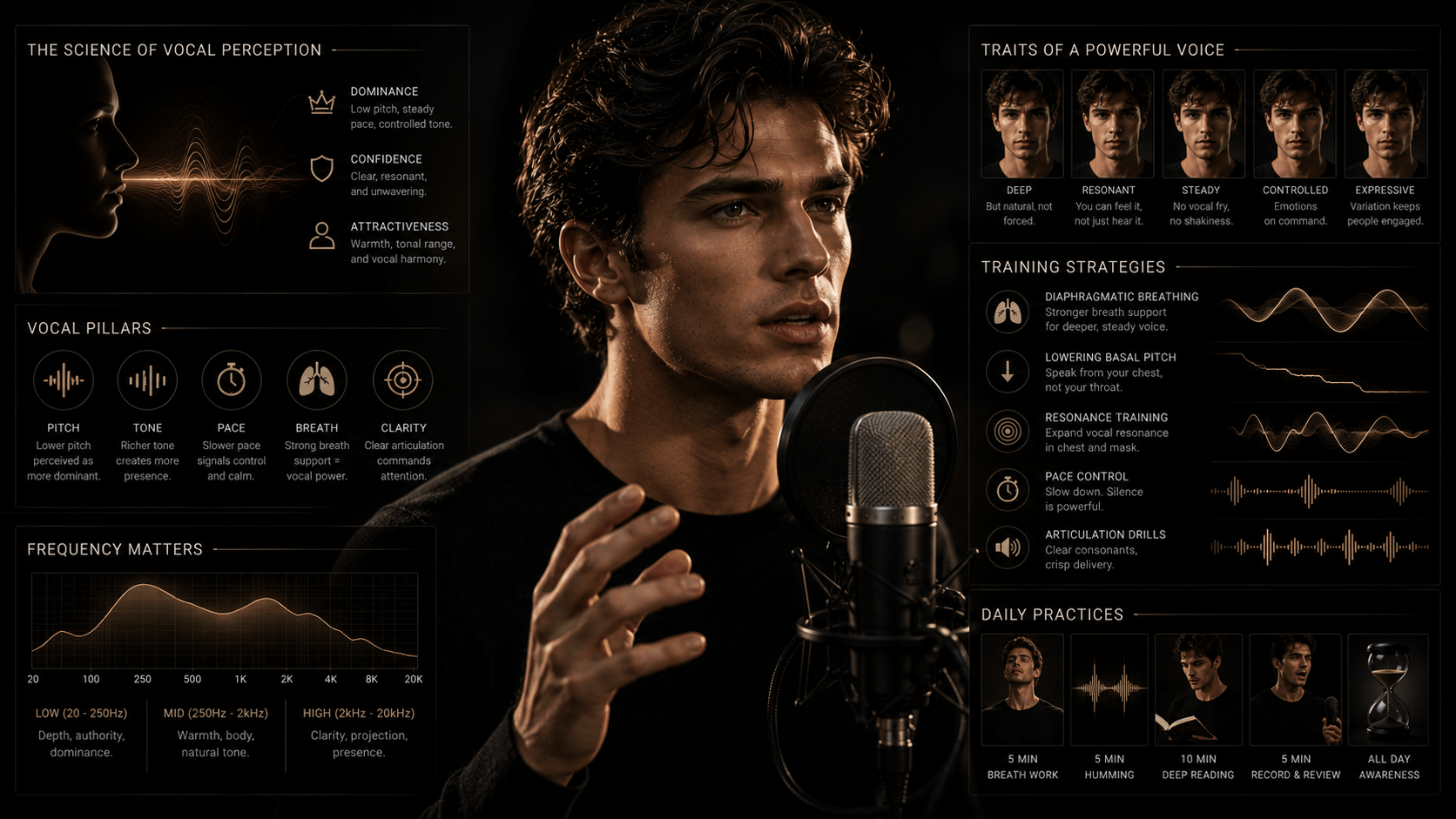
Vocal Presence: What You Can (and Can't) Change About Your Voice
Voice pitch is mostly set by anatomy and can't be permanently 'deepened' by exercises — and women don't actually prefer the deepest voices anyway. What the research shows, and the trainable elements of vocal presence that genuinely improve how you sound.

Coloring Archetypes: Vampire, Werewolf, Surfer, Angel, and Golden-Retriever Looks
A styling lens for coloring — instead of asking "what's the best skin tone," you figure out which recognizable look your natural coloring already leans toward (vampire, werewolf, surfer, angel/dark angel, or golden-retriever/prince) and lean into it with hair, tan, brows, and clothing colors. How to spot your archetype and how to push it further.
Keep the resources free.
looksmaxxing.space is built to make useful tools, guides and resources accessible without paywalls.
If you've found the site useful and want to support the work behind it, you can make a voluntary contribution. Every contribution helps cover development, hosting and the continued work that goes into keeping the platform free.
100% optional — the site remains free either way.