Coloringmaxxing: How Hair and Skin Tone Affect Appearance
Coloring refers to the combination of skin tone, hair color, and eye color. While genetics determines your coloring, strategic choices can optimize how your coloring is perceived.
The Role of Contrast
Contrast is the primary driver of coloring impact.
High Contrast
Example: Dark hair + light skin + dark eyes.
Effects:
- Eyes appear larger and more defined.
- Face appears more chiseled.
- Features are more striking.
Famous example: Dark hair on pale skin (high contrast) is considered very attractive.
Low Contrast
Example: Light brown hair + light skin + light eyes.
Effects:
- Softer appearance.
- Less defined features.
- Blends together (less visual interest).
Optimal Contrast
Depends on skin tone:
Fair/pale skin:
- Best with dark or contrasting hair.
- Light hair on light skin = very low contrast (can appear washed out).
- Dark hair on pale skin = high contrast (striking).
Medium/olive skin:
- Works with most hair colors.
- Warm tones (brown, bronze) harmonize better than cool tones (platinum blonde).
Dark/deep skin:
- Works with most hair colors.
- Cooler tones (ash blonde, cool browns) can provide contrast.
- Warm tones (golden browns, warm reds) also work well.
Hair Color and Undertones
Warm Undertones (Olive, Golden, Yellow-tinted Skin)
Hair colors that work:
- Warm browns (espresso, caramel, copper, bronze).
- Warm blondes (golden, champagne, honey).
- Reds and warm auburns.
Avoid:
- Ash blonde (too cool, clashes).
- Platinum blonde (too cool, clashes).
- Cool browns (grey-tinted, mismatch).
Cool Undertones (Pink, Bluish, Pale Skin)
Hair colors that work:
- Cool browns (ash brown, dark chocolate, espresso).
- Cool blondes (platinum, ash blonde, cool honey).
- Cool reds (burgundy, wine, cool auburn).
Avoid:
- Warm golden colors (clash with cool undertones).
- Copper or bronze (too warm).
Neutral Undertones
Can wear most colors, but jewel tones work best.
Dyeing Hair (Risk vs. Reward)
When Dyeing Helps
Lightening dark hair:
- Creates contrast on pale skin.
- Example: Dark brunette on pale skin → blonde or lighter brunette adds contrast.
- Effect: Face looks sharper, features more defined.
Warming cool tones:
- Golden tones on olive/tan skin vs. cool ash tones.
- Example: Olive skin with ash brown hair (clashing) → warm brown hair (harmonious).
When Dyeing Hurts
Going too light without the contrast to support it:
- Platinum blonde on medium/olive skin (clashing undertones).
- Looks unnatural, washed out.
Excessive coloring (many rounds of bleaching):
- Hair texture suffers (becomes dry, brittle).
- Looks low-quality (hurts appearance more than helps).
Poorly maintained color:
- Root grow-out visible (unkempt, low-status appearance).
- Color fading or uneven (looks cheap).
Best Practice
If considering dyeing:
- Consult a professional colorist (not DIY).
- Test a shade first (color preview or temporary dye).
- Commit to maintenance (roots every 4-6 weeks).
- Prioritize hair health (deep condition regularly).
Rule: A healthy, natural color beats a damaged, dyed color. Prioritize hair health first.
Skin Tone and Feature Definition
Skin Tone Contrast and Feature Visibility
High-contrast skin (defined tan lines, visible sun damage, freckles):
- Features appear more defined and interesting.
- Can look older (if sun-damaged).
Even-toned skin (no tan lines, uniform color):
- Looks more youthful and polished.
- Less defined (depends on makeup, lighting).
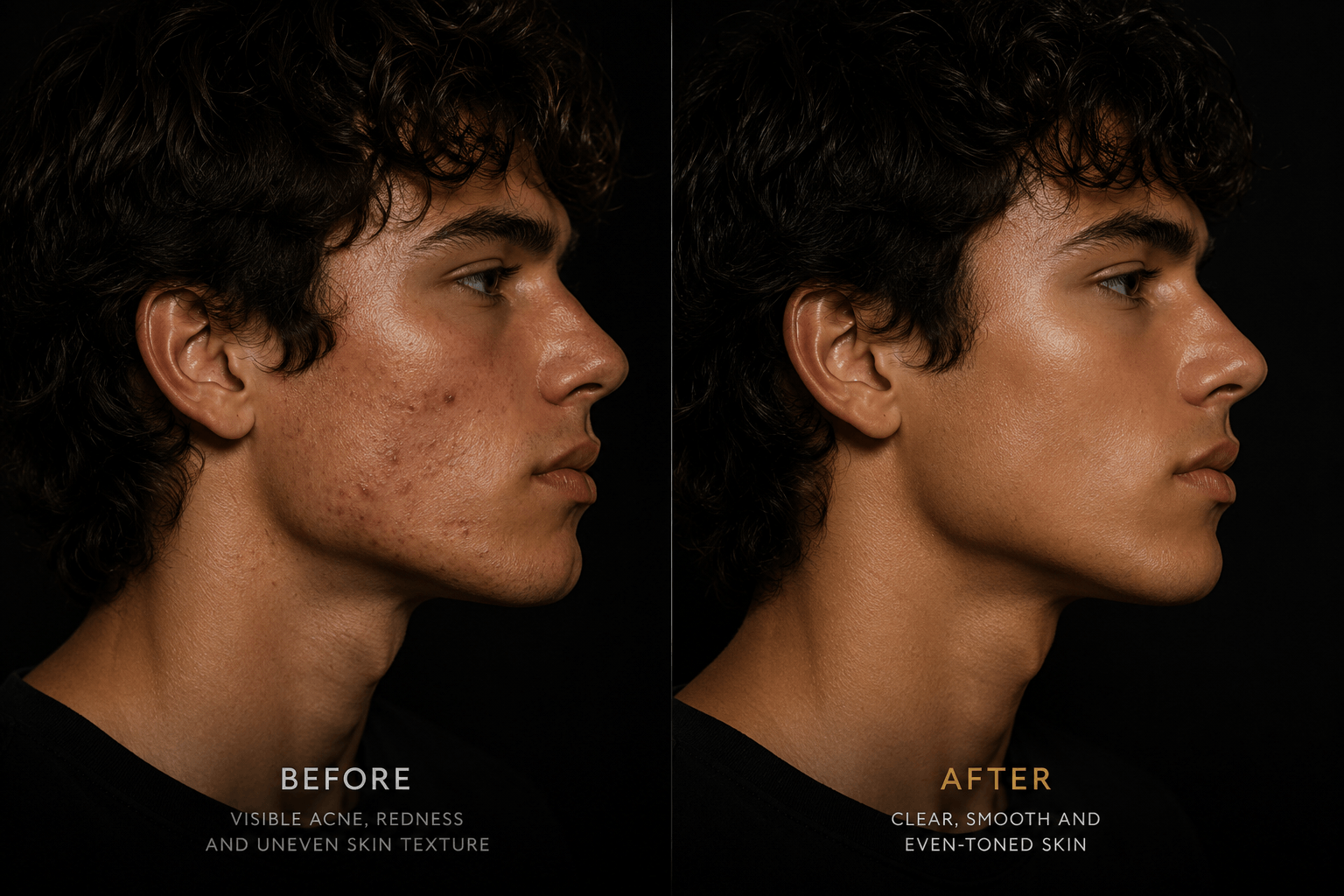
Clear skin (no blemishes, acne, texture):
- Appears healthier, more attractive.
- Color evenness improves perceived attractiveness more than any single shade.
Skin Health > Skin Tone
Takeaway: Healthy, clear skin of any tone beats unhealthy, blemished skin of a "better" tone. Skincare is more impactful than skin tone genetics.
Eye Color and Contrast
Eye Color Perception
Your eye color is mostly determined by melanin. You cannot change it (without colored contacts).
High-contrast eyes (blue on dark skin, dark on pale skin):
- Appear more striking.
- Generate more visual interest.
Matching eyes (brown on warm skin, green on olive skin):
- Harmonious, natural-looking.
- Less striking, but aesthetically pleasing.
Colored Contacts (Optional)
If interested in changing eye color:
- Minimal visual impact (subtle).
- Wear for special occasions only (can damage eyes with daily wear).
- Cost: $50-100 per box.
Realistic expectation: Subtle change, not dramatic. Not worth the hassle for most people.
Optimizing Your Coloring (What's Possible)
1. Hair Maintenance (Highest ROI)
Do:
- Regular haircuts (every 3-4 weeks).
- Condition hair regularly.
- Style with intention (not bedhead).
- Maintain natural color (or dyed color with proper upkeep).
Result: Groomed, intentional appearance. High impact.
2. Clear Skin
Protocol:
- Skincare routine (cleanser, treatment, moisturizer, sunscreen).
- Acne management (if applicable).
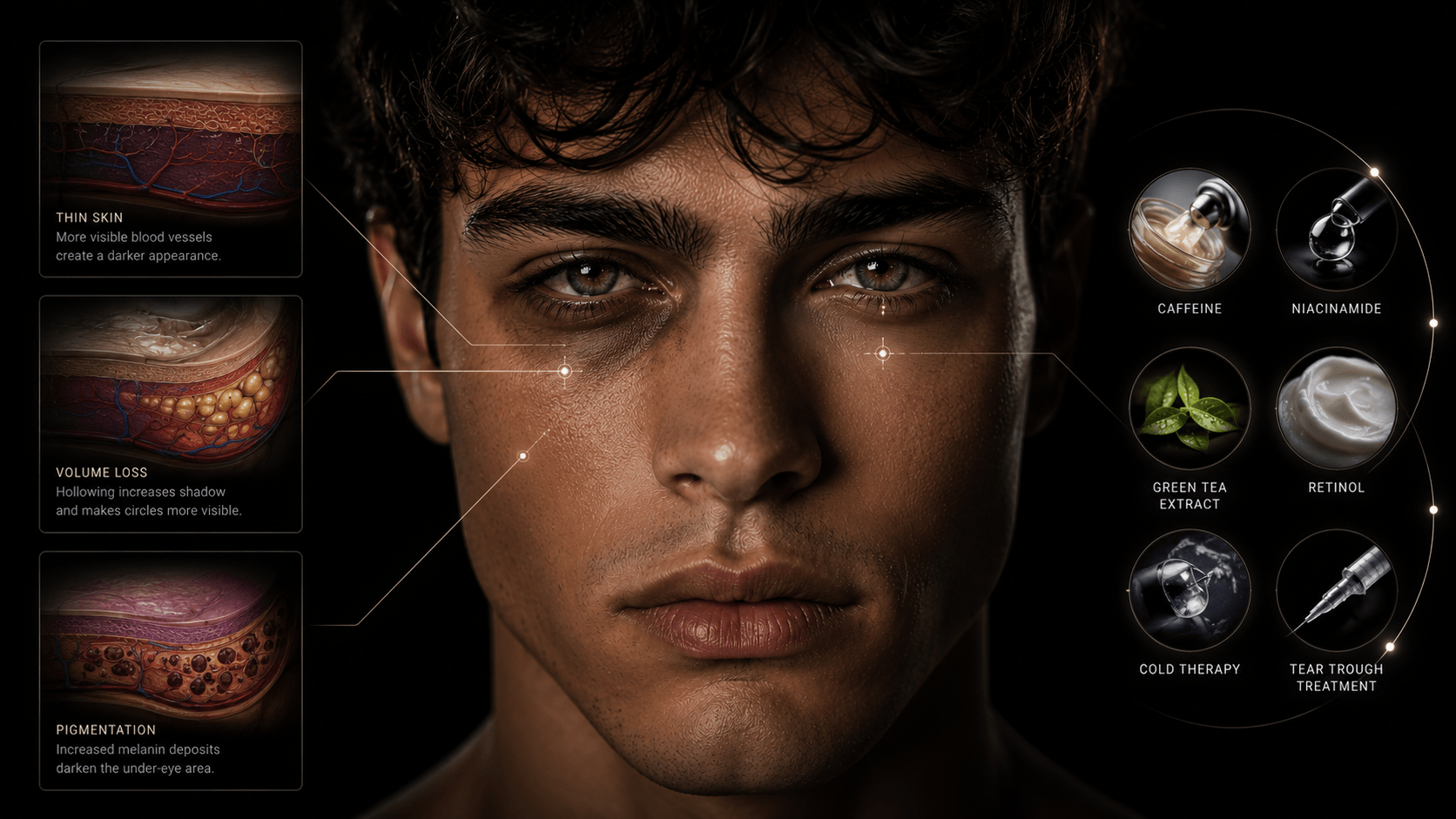
- Even skin tone (avoid dark circles, redness).
Result: Youthful, healthy appearance. Very high impact.
3. Strategic Dyeing (Optional)
If considering:
- Choose a shade that contrasts with your skin.
- Choose a color that matches your undertones.
- Maintain it properly (roots, conditioning).
Result: Enhanced contrast, more striking appearance. Medium impact (if done well).
4. Accept Your Baseline
Genetics determine:
- Skin tone.
- Natural hair color.
- Eye color.
You can optimize them, but you cannot fundamentally change them. Spend more energy on things you control (skin health, hair cut/style, fitness) than obsessing over unchangeable coloring.
Common Mistakes
1. Dyeing without considering undertones Platinum blonde on olive skin = clashing and unflattering. Consult a colorist before dyeing.
2. Damaging hair for a hair color change Over-bleaching destroys hair. Better to have healthy dark hair than damaged blonde hair.
3. Neglecting skin health Clear skin of any tone beats any hair color. Prioritize skincare.
4. Over-relying on coloring to fix appearance Coloring matters, but fitness, grooming, and posture matter far more.
5. Expecting colored contacts to dramatically change appearance They don't. Natural eye color is fine.
The Ranking (Coloring Impact)
| Lever | Impact | Effort | ROI |
|---|---|---|---|
| Clear skin | Very high | Medium | Very high |
| Hair maintenance | Very high | Low | Very high |
| Strategic hair dye | Medium | Medium-high | Medium |
| Colored contacts | Low | Low | Low |
| Accepting genetics | N/A | Zero | Highest (mental) |
Final Word
Coloring matters, but far less than you think. Genetics determine your baseline; skincare, hair grooming, and fitness determine your appearance outcome. Optimize what you control before obsessing over what you don't. A healthy, groomed person with mediocre coloring beats an unhealthy, unkempt person with perfect coloring, every time.