Alcohol, Hormones & Your Looks: What the Research Actually Shows
Alcohol affects appearance mostly through hormones, sleep, and body composition — but the popular "every drink tanks your testosterone" framing is an oversimplification. Here's the more accurate picture, and what it means if you care about how you look.
The Nuance Most Articles Get Wrong
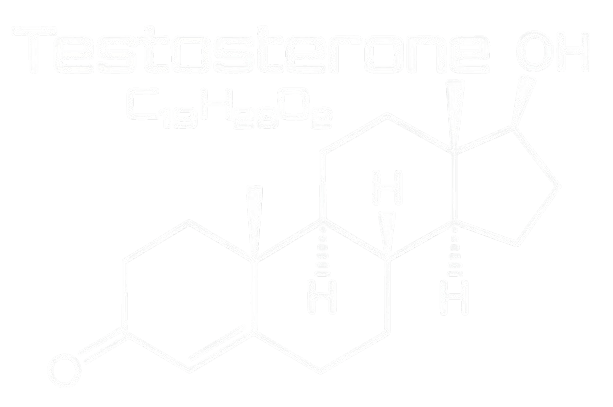
The relationship between alcohol and testosterone is dose-dependent, not linear. A review of alcohol's effects on testosterone synthesis in men describes it this way: acute consumption of a low-to-moderate amount can transiently raise testosterone, whereas consuming a large volume is associated with reduced serum testosterone.1
Why the split?
- Small amounts can briefly increase testosterone partly via changes in liver enzyme activity.1
- Large or chronic amounts suppress testosterone primarily by increasing hypothalamic-pituitary-adrenal (stress axis) activity, inflammation, and oxidative stress — and by impairing the testicular Leydig cells that produce testosterone.1
So the honest headline isn't "alcohol destroys testosterone." It's: occasional light drinking has little lasting hormonal impact for most healthy people, while heavy or chronic drinking meaningfully suppresses testosterone and elevates cortisol.1
Cortisol and Sleep: The Bigger Appearance Levers
For looks, alcohol's effects on cortisol and sleep may matter more than its direct hormonal hit:
- Cortisol: Heavy or chronic drinking is associated with elevated cortisol.1 Persistently high cortisol promotes central (belly) fat storage, water retention and facial puffiness, and collagen breakdown over time.
- Sleep: Alcohol disrupts sleep architecture — especially REM — even though it can make you fall asleep faster. Since a meaningful share of daily testosterone release and overnight recovery happens during sleep, the "two nightcaps" habit quietly undercuts both recovery and hormones the next day.
These two pathways — cortisol up, sleep quality down — are a big part of why regular drinkers often look puffier, softer, and more tired, somewhat independent of the direct testosterone effect.
What This Looks Like on Your Face and Body
Short-term (the morning after a heavy night):
- Facial puffiness and under-eye shadows (dehydration + inflammation + poor sleep).
- A tired, "flat" appearance.
Ongoing with heavy/regular use:
- Gradual central fat gain (calories + cortisol + suppressed testosterone).
- Reduced muscle definition (impaired recovery and protein synthesis).
- Duller, less elastic skin over time (collagen breakdown, poorer sleep).
Calories matter too: alcohol carries ~7 kcal/g, and drinks plus the food that accompanies them add up fast — a night out can easily reach 750–1,000+ kcal. Because the liver prioritizes clearing alcohol, fat and carbs eaten alongside it are more readily stored.
Appearance Impact by Drinking Pattern
These are general patterns, not precise guarantees — individual response varies.1
Light (1–2 drinks, occasionally): Minimal lasting hormonal or appearance impact for most healthy people.
Moderate/regular (several drinks, multiple nights weekly): Cumulative effects become visible over weeks — some central fat gain, softer definition, occasional puffiness, disrupted sleep.
Heavy/chronic (frequent large sessions): Meaningful testosterone suppression and cortisol elevation, more pronounced fat gain, chronic puffiness, poorer skin and recovery.1
Harm-Reduction Strategy (If You Choose to Drink)
You don't have to be a teetotaler to look good — but pattern matters more than perfection:
- Cap frequency and quantity. Fewer, smaller sessions beat frequent heavy ones. The dose-response is the whole story.1
- Protect sleep. Stop drinking a few hours before bed so your body isn't metabolizing alcohol during your deepest sleep.
- Hydrate and eat protein. Water between drinks and a protein-forward meal beforehand blunts the crash and the next-day puffiness.
- Choose lower-calorie, low-sugar options and skip sugary mixers to limit the caloric load.
- Time it around training and photos. Avoid heavy drinking on hard training days (recovery) and before events where you want to look your leanest (water retention).
The Recovery Timeline
After a heavy session, most people see puffiness and next-day fatigue resolve over a few days as hydration, sleep, and cortisol normalize. With sustained reduction in heavy drinking, hormonal markers and appearance typically improve over the following weeks — though the exact pace is individual.1
Frequently Asked Questions
Does alcohol lower testosterone? It depends on the dose. Light-to-moderate acute intake can briefly raise testosterone; large or chronic intake lowers it via stress-hormone, inflammatory, and testicular pathways.1
Which is worse for my looks — the hormones or the calories? Often the calories, cortisol, and sleep disruption combined. For appearance specifically, poor sleep and central fat gain from a regular drinking habit tend to be the most visible culprits.
Will quitting alcohol improve how I look? Many people notice reduced facial puffiness, better sleep, and easier fat loss after cutting back — usually over a few weeks. Effects vary by person and prior drinking level.
Is red wine actually "good for you"? The antioxidant angle is frequently overstated; the alcohol itself carries the downsides above. If appearance and recovery are the goal, less is more regardless of type.
Final Word
The truthful version: light, occasional drinking has little lasting effect on most healthy people, while heavy or chronic drinking meaningfully suppresses testosterone, raises cortisol, wrecks sleep, and adds central fat — all of which show on your face and body. If looks are a priority, you don't necessarily need zero alcohol, but you do need to control the pattern.
References
Footnotes
-
The effects of alcohol on testosterone synthesis in men: a review. Expert Review of Endocrinology & Metabolism. 2023;18(2):155–166. (Acute low-to-moderate alcohol can raise testosterone; large-volume consumption reduces it via HPA-axis activity, inflammation, and oxidative stress; heavy/chronic use elevates cortisol.) https://www.tandfonline.com/doi/abs/10.1080/17446651.2023.2184797 ↩ ↩2 ↩3 ↩4 ↩5 ↩6 ↩7 ↩8 ↩9 ↩10